
The 4-3-1: Part 1 - Introduction
The 4-3-1 is one of the most natural progressions in youth football. It grows directly from the 2-3-1 in 7v7, where the shape is simple:
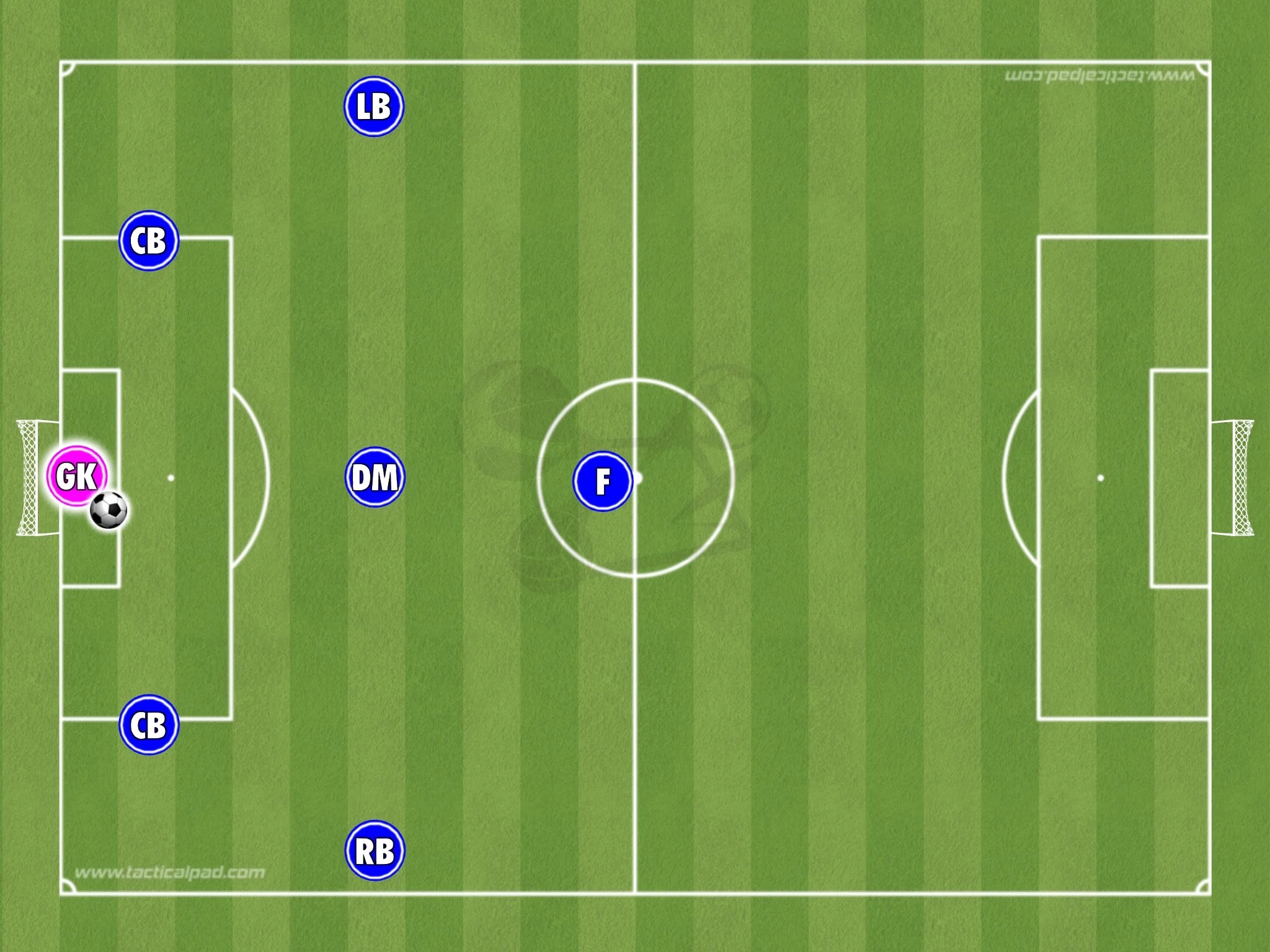
The 2-3-1 (7v7)
2 centre backs at the back,
1 midfielder holding or linking
2 wingbacks who run the flanks
1 striker as the target
At 9v9, we add two more midfielders ahead of the DM. This creates a midfield three:
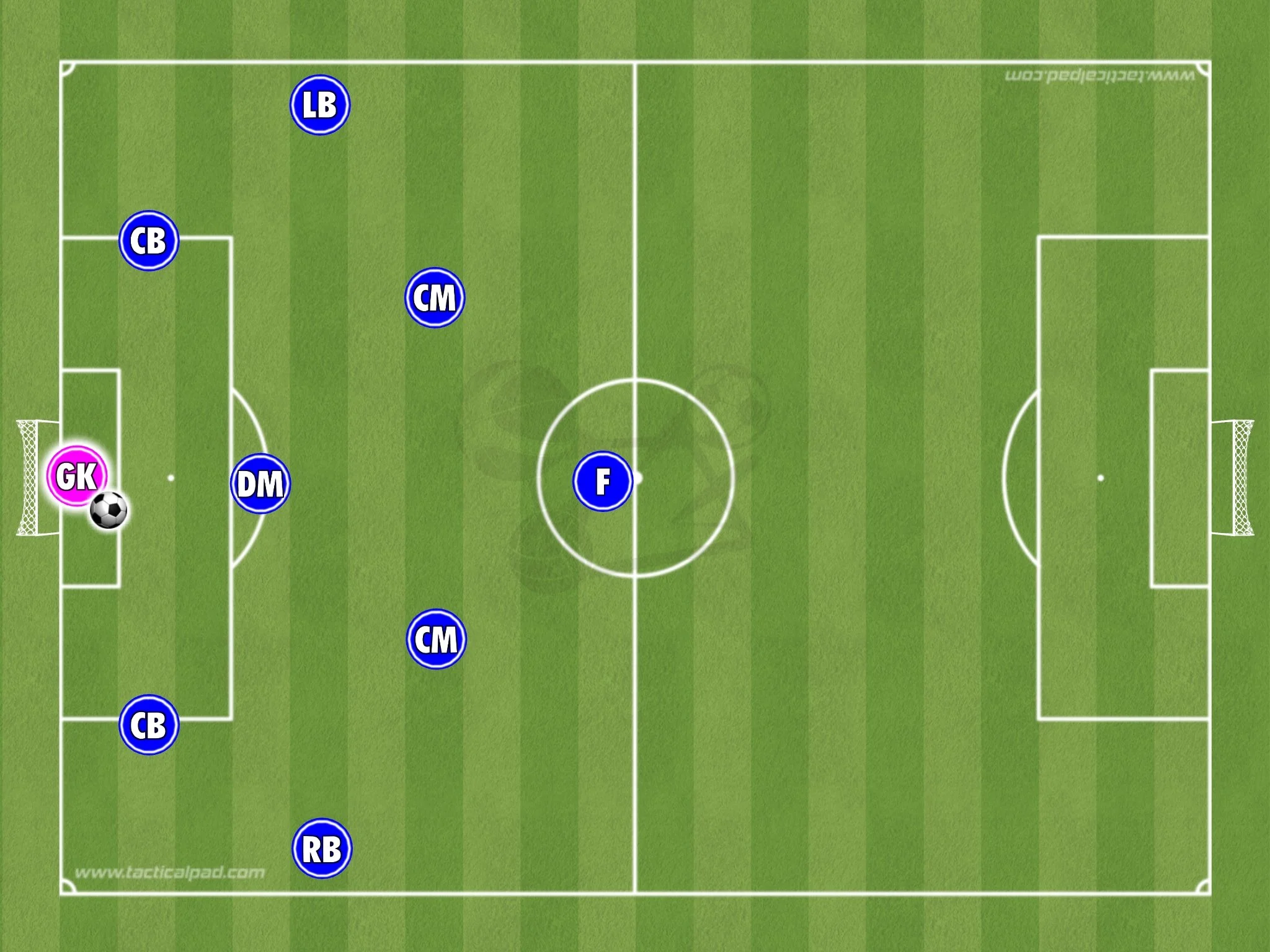
The 4-3-1 (9v9)
2 centre backs at the back,
1 defensive midfielder (6) holding
2 wingbacks who run the flanks
2 central midfielders (8s) running the half-spaces
1 striker as the target.
This small adjustment transforms the shape.
Now, we have balance: width from the wingbacks, depth from the striker, and control from the midfield three.
And it prepares players for 11v11, where many systems add two wingers and use either a double pivot, inside forwards and false 9. The 4-3-1 is the stepping stone.
Soccer Jargon

The Half Space
The Half-Space provides attackers with more space than the crowded central areas while still offering close proximity to goal, a wide range of passing options (central, wide, or forward), and better angles for diagonal passes and crosses.
Our two central midfielders do a lot of their work here.
How the 4-3-1 Behaves: The Four Game States
Football isn’t static. The shape shifts with the ball. To make this simple for kids, we divide the game into four states. Each one has a clear principle, role instructions, a parent example, and a motivational cue.
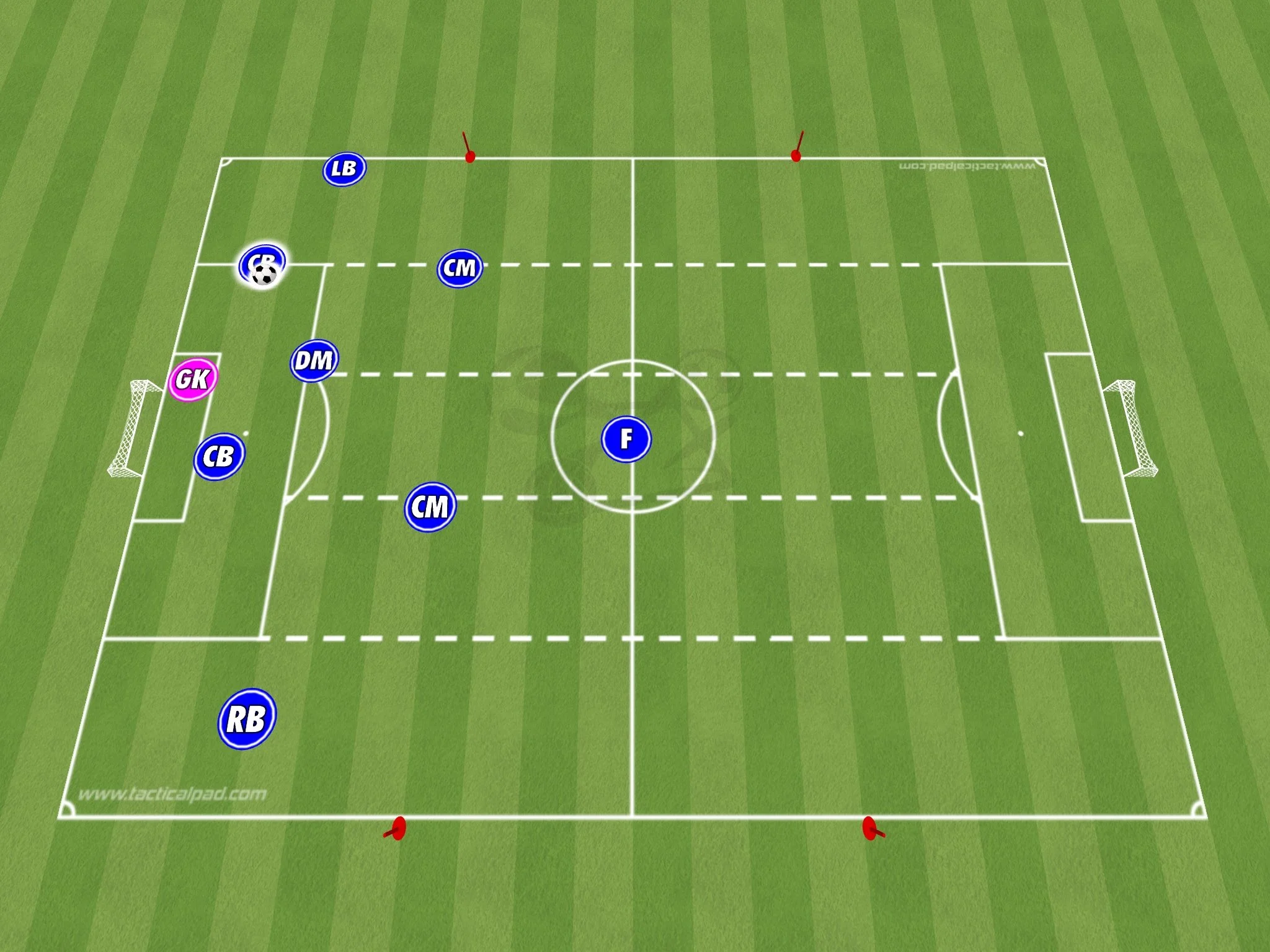
With the Ball – In Our Half (Build-Out)
This is our calm moment. We’re starting to build play, usually from the goalkeeper or defenders. We don’t rush. We look for control, angles, and options.

With the Ball – In Their Half (Chance Creation)
We’ve made it into their half. Now we look to create. Find space. Be brave. Get into dangerous areas with purpose.
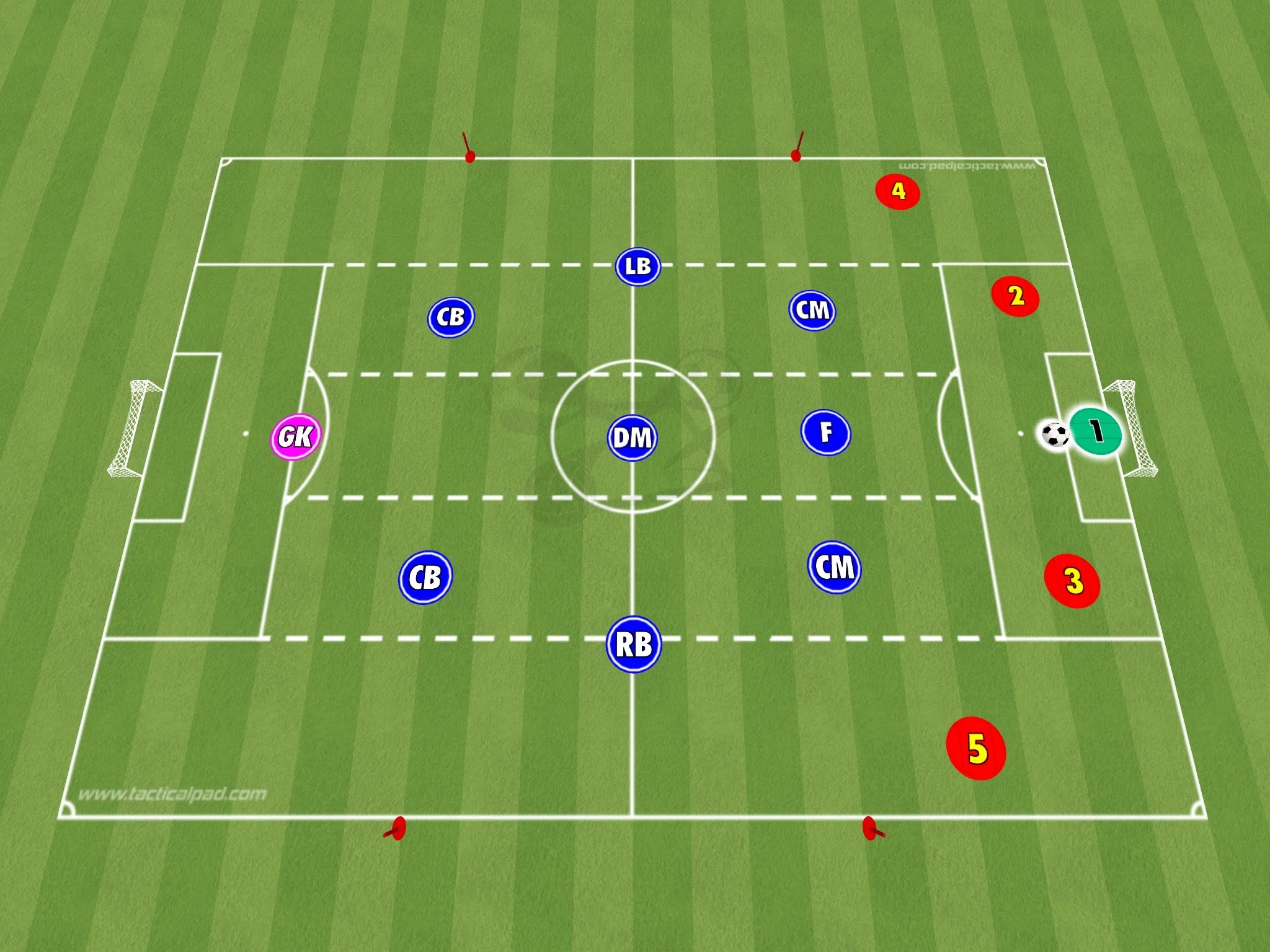
Without the Ball – In Their Half (Pressing)
We’re high up the pitch, and we smell a mistake. Press together. Stay smart. Don’t dive in. Let’s win it back close to goal.
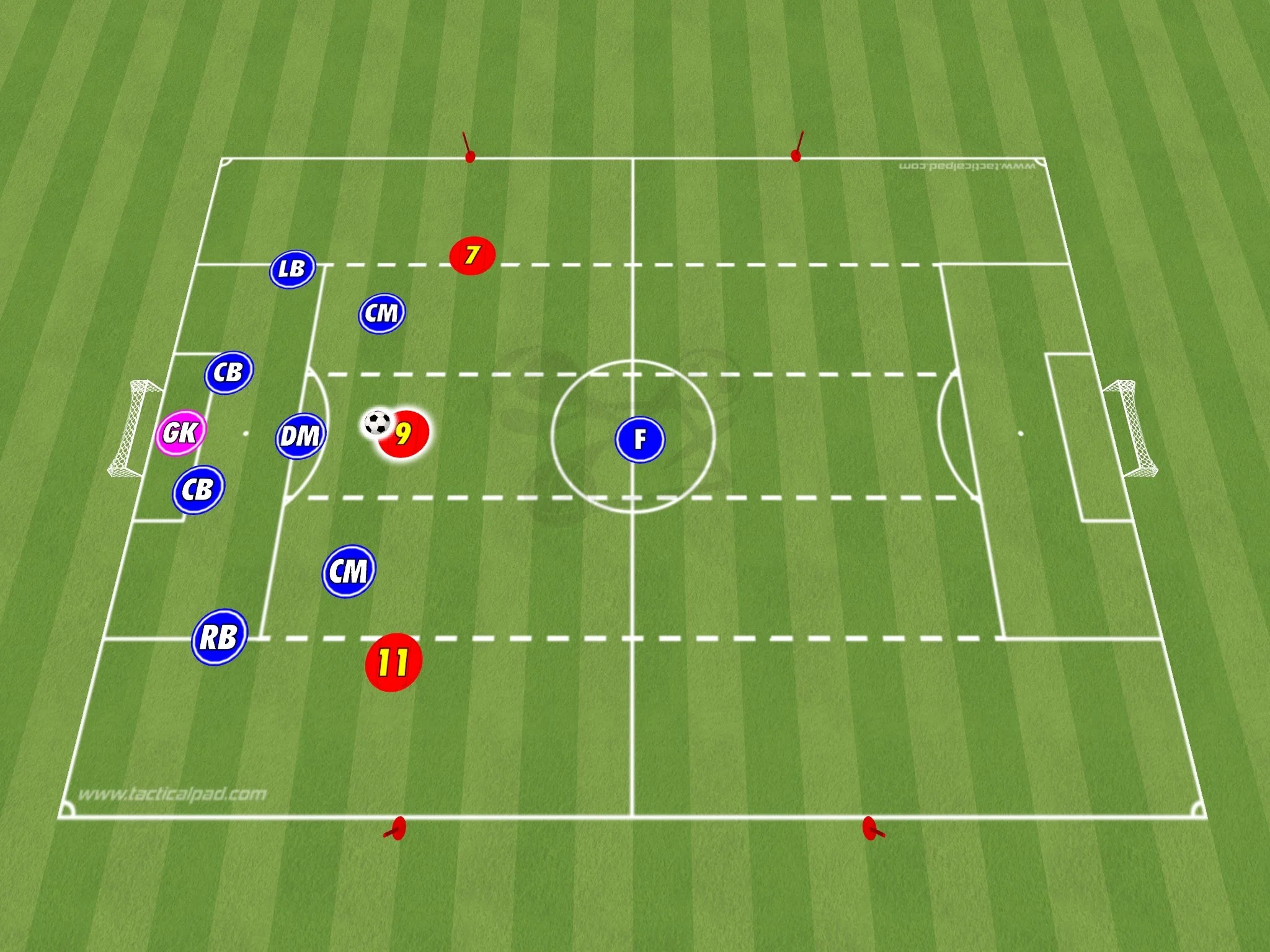
Without the Ball – In Our Half (Defensive Block)
Now we’re in our half. They have the ball. Our job? Stay compact. Be patient. Force mistakes. Protect the goal.
✅ Why This Matters
The 4-3-1 teaches young players to see football in states, not just in positions.
For players: It turns football into a puzzle: Where’s the ball? Which state are we in? What’s my job?
For parents: It explains why the team sometimes looks cautious (build-out), sometimes adventurous (chance creation), sometimes chaotic (pressing), and sometimes disciplined (defending).
For coaches: It’s a framework for teaching transitions, compactness, and the stepping stones to 11v11.
The 4-3-1 isn’t just a formation — it’s a pathway: from the simplicity of 7v7, through the balance of 9v9, toward the complexity of 11v11.
