
What to Do When Your Child Has a Bad Game
It happens to every child who plays sport.
A game where nothing seems to go right.
Missed passes. Heavy touches. Decisions that don’t work.
And by the final whistle, you can see it on their face.
For parents, these moments can feel uncomfortable. You want to help. You want to say the right thing. And you’re often not sure whether to talk it through — or say nothing at all.
There is no perfect response. But there are ways to help a bad game become a valuable one.
Why Bad Games Hurt So Much
Children don’t experience bad games the way adults do.
They don’t separate performance from identity.
A tough game can quickly become “I’m bad at football.”
Add in tiredness, emotion, and the desire to please adults, and those feelings can linger far longer than the match itself.
That’s why what happens after the game often matters more than what happened during it.
The First Few Minutes Matter
In the moments after a game, emotions are high and thinking is low.
This isn’t the time for analysis.
A calm presence is often enough. A hug. A smile. A simple “I’m glad I got to watch you play.”
Children need time to settle before they can reflect. Rushing to fix things too quickly can make them feel misunderstood.
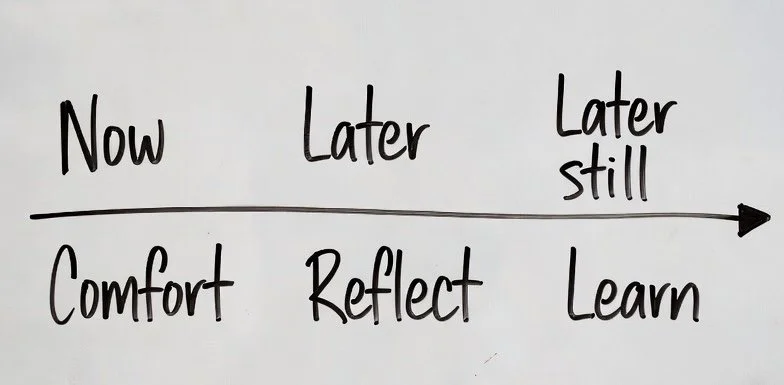
When — and If — to Talk About the Game
Some children want to talk straight away. Others need hours, or even days.
Both are normal.
If they do want to talk, let them lead. Listen more than you speak. Avoid correcting their version of events.
Questions like:
“What part felt hardest today?”
“What did you still enjoy?”
help children process without feeling judged.
If they don’t want to talk, that’s okay too. Silence can be supportive.
Why Reassurance Beats Advice
After a bad game, children don’t need solutions — they need reassurance.
They need to know that one match doesn’t define them. That mistakes are part of learning. That effort still counts.
Statements like:
“Everyone has days like that,”
“I loved how you kept going,”
“You don’t need to be perfect,”
help children reset emotionally.
Turning a Bad Game Into Growth
Once emotions have settled, bad games can quietly become teachers.
Not through criticism, but through reflection.
Children who feel supported are more open to noticing what they want to work on next. They begin to see mistakes as information rather than failure.
That mindset doesn’t develop overnight — it grows through repeated experiences of safety and understanding.
A Final Thought
Every player — no matter how talented — has bad games.
What determines whether a child grows from them or shrinks from them is the environment that surrounds those moments.
When parents respond with calm, patience, and empathy, children learn a powerful lesson:
One bad game doesn’t change who I am.
And that lesson lasts far longer than the result.
Suggested Next Reads (for curious parents)
What to Say After the Game — conversations that help, not hurt
Building Confidence in Youth Football
Why Mistakes Matter — learning through error
Understanding Pressure in Junior Sport
Finished reading? Back to:
