
How to Support Your Child Through Wins, Losses, and Everything in Between
Youth football is full of moments that feel big.
Big wins.
Tough losses.
Great games.
Hard ones.
And through all of it, children are watching closely — not just what happens on the pitch, but how the adults around them respond.
For parents, the challenge isn’t managing results.
It’s supporting children through the emotions those results create.
Why Results Feel Bigger Than They Are
Children don’t experience wins and losses the way adults do.
A win can feel euphoric — but fragile.
A loss can feel personal — even if it wasn’t.
Young players are still learning how to separate:
effort from outcome
performance from identity
one game from the bigger picture
That learning happens slowly, through repeated experiences of calm support.
After Wins: Keeping Perspective
Wins are exciting. They should be enjoyed.
But too much emphasis on results can quietly shift focus away from learning and enjoyment. Children can start to feel pressure to repeat the performance rather than simply play.
Acknowledging effort, teamwork, and attitude after wins keeps motivation healthy and grounded.
After Losses: Creating Emotional Safety
Losses are where support matters most.
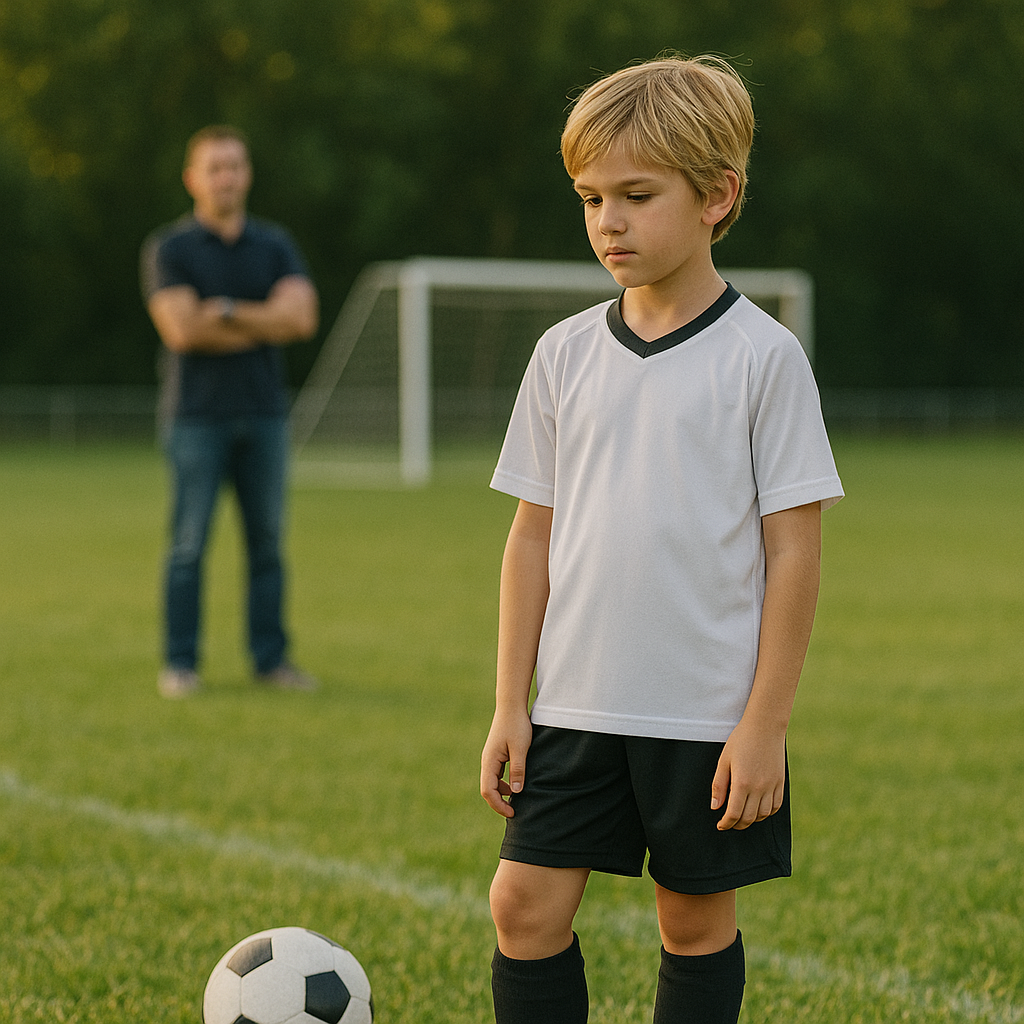
Children need space to feel disappointed without needing to fix it immediately. A calm response from parents reassures them that losing doesn’t change how they’re seen or valued.
Sometimes the most powerful response is simply being present.
When Emotions Run High
There will be days when children are upset, frustrated, or quiet.
Those emotions don’t need correcting.
They need time.
Letting feelings pass without judgement teaches children emotional regulation — a skill far more valuable than any result.
Focusing on the Bigger Journey
Development in football is rarely linear.
Confidence rises and falls.
Performance fluctuates.
Motivation ebbs and flows.
Parents who focus on long-term growth rather than weekly results help children build resilience and perspective.
The goal isn’t to avoid disappointment — it’s to learn how to move through it.

What Children Need Most From Parents
More than tactics.
More than feedback.
More than analysis.
Children need:
acceptance
consistency
emotional safety
When they know they’re supported regardless of the outcome, football becomes a place of growth rather than stress.
A Final Thought
Your child won’t remember every goal, win, or loss.
They’ll remember how football made them feel.
And much of that feeling is shaped by the adults standing quietly on the sideline, offering calm support through every high and low.
That kind of support lasts far longer than any scoreline.
Suggested Next Reads (for curious parents)
What to Say After the Game — conversations that help
Why Kids Quit Football — and how environment matters
Supporting Confidence in Youth Sport
The Long Game — development over results
Finished reading? Back to:
