
Why Your Child Doesn’t Pass (or Shoots Too Much)
What’s Really Going On
It’s one of the most common things parents say on the sideline — often under their breath.
“Why didn’t they pass?”
“They had someone free!”
“Why do they always shoot?”
From an adult’s perspective, the solution looks obvious.
From a child’s perspective, the moment feels very different.
What looks like selfishness or poor decision-making is usually something else entirely.
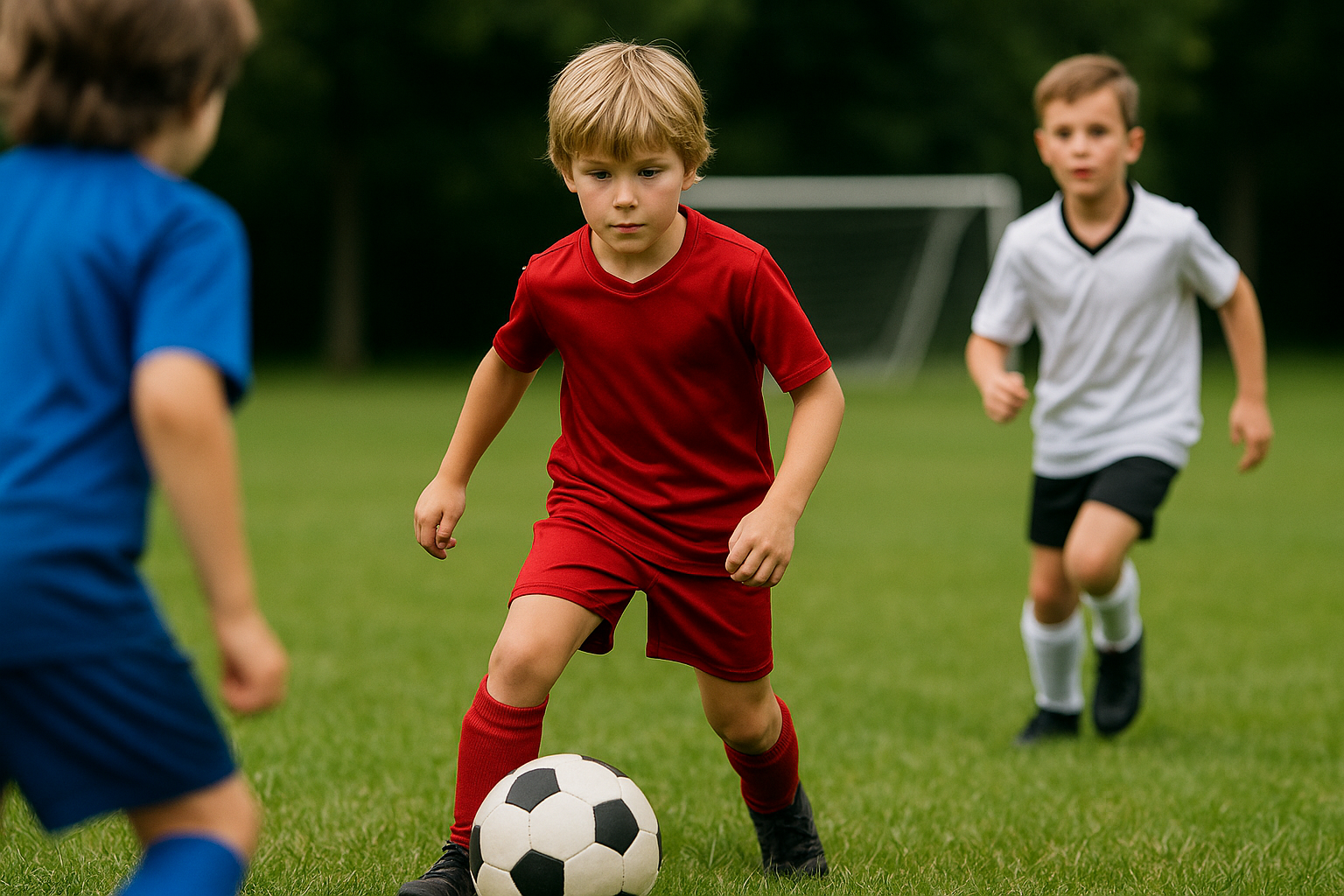
Children See the Game Differently
Adults watch football with years of experience behind them. We see space early. We anticipate movement. We recognise patterns.
Children are still learning to notice those things — let alone act on them under pressure.
When a child keeps the ball, it’s often because:
they haven’t seen the option yet
they don’t trust the pass
they’re still mastering control
they feel safer staying on the ball
None of those reasons are selfish.
Why Passing Is Harder Than It Looks
Passing isn’t just a technical skill.
It requires:
awareness of teammates
confidence in technique
timing
trust
Under pressure, the brain simplifies. Many children choose the option that feels most familiar — carrying the ball or shooting — rather than the one that looks best from the sideline.
This is a normal stage of development.
Why Some Kids Shoot at Every Chance
Shooting can feel simpler than passing.
It’s clear.
It’s decisive.
And it removes pressure quickly.
For some children, shooting is a way of coping with stress rather than a sign of poor teamwork.
Over time, as awareness grows, decision-making widens — but only if the environment allows it.
Why Shouting “Pass!” Usually Backfires
Calling instructions during play often arrives too late.
By the time the word reaches the child, the moment has already changed.
Instead of helping, it can create doubt: “I should have passed.”
That doubt lingers into the next action — and slows learning.
How Coaches Actually Teach Passing
Passing awareness is developed gradually.
Through:
small-sided games
repetition
guided questioning
safe environments to try
It’s not taught by correcting every missed opportunity in real time.
Progress often shows up quietly — one glance, one earlier decision, one better option noticed.
What Parents Can Do That Helps
The most helpful thing parents can do is trust the process.
Celebrate effort.
Notice improvement, not perfection.
Allow children to make decisions — even imperfect ones.
Confidence and awareness grow together.
A Final Thought
If your child doesn’t pass — or shoots too much — it doesn’t mean they’re not learning.
It means they’re learning where to look, what to notice, and how to decide under pressure.
Those skills take time.
And when children feel supported rather than corrected, they develop them faster.
Suggested Next Reads (for curious parents)
Understanding Game State — why decisions change under pressure
How Coaches Teach Decision-Making Over Time
Mistakes and Learning — why errors matter
Building Confidence in Youth Football
Finished reading? Back to:
