
Why Kids Freeze or Get Overwhelmed in Games
And What Parents Can Do About It
Every coach sees it.
Every parent notices it.
A child who looks confident at training suddenly goes quiet in games.
They hesitate.
They stand still.
They seem overwhelmed.
From the sideline, it’s tempting to think they’re nervous, distracted, or not trying.
In reality, something far more common — and far more human — is happening.
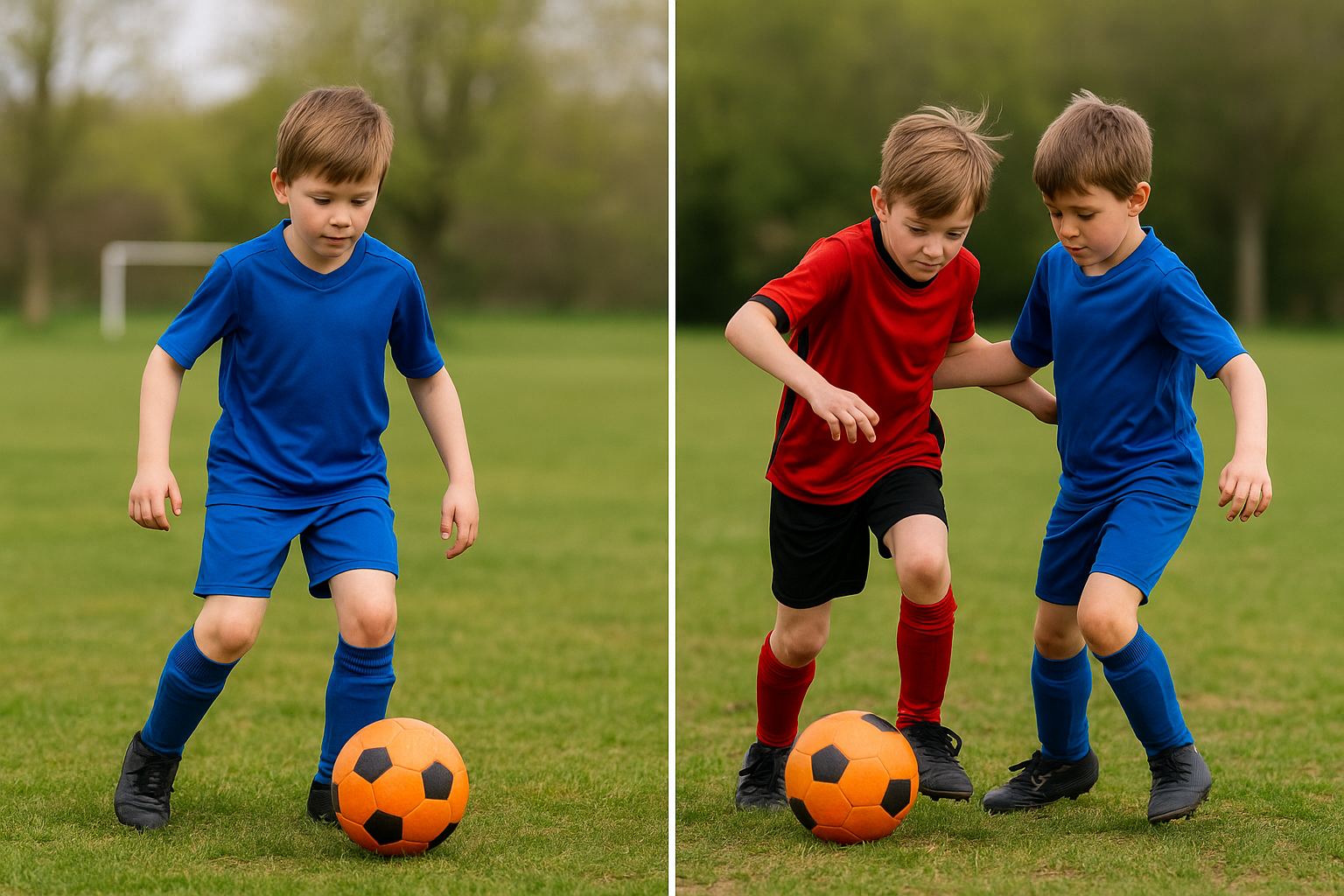
Overwhelm Is Not a Character Flaw
Freezing in games isn’t about confidence or courage.
It’s about load.
In matches, children are processing:
teammates
opponents
space
the ball
instructions
noise
emotions
That’s a lot for a developing brain.
When the load exceeds what they can comfortably manage, the brain does what it’s designed to do — it simplifies. Sometimes that looks like standing still.
Why Training Looks Different
Training environments are familiar and predictable.
Games are not.
New opponents. Bigger crowds. Scorelines. Unexpected moments. All of these increase pressure — even if a child can’t explain it.
Freezing isn’t failure. It’s the brain saying, “This is a lot right now.”
Why Shouting Rarely Helps
When a child freezes, parents often try to help by calling instructions.
But extra information usually increases overload. The brain can’t prioritise — so it shuts down further.
What feels like encouragement to an adult can feel like pressure to a child.
How Children Learn to Cope With Pressure
Coping with pressure is a skill.
It develops gradually through exposure, repetition, and emotional safety.
Children learn best when:
mistakes are accepted
adults stay calm
expectations are realistic
Every time a child freezes and realises it’s okay, resilience grows.
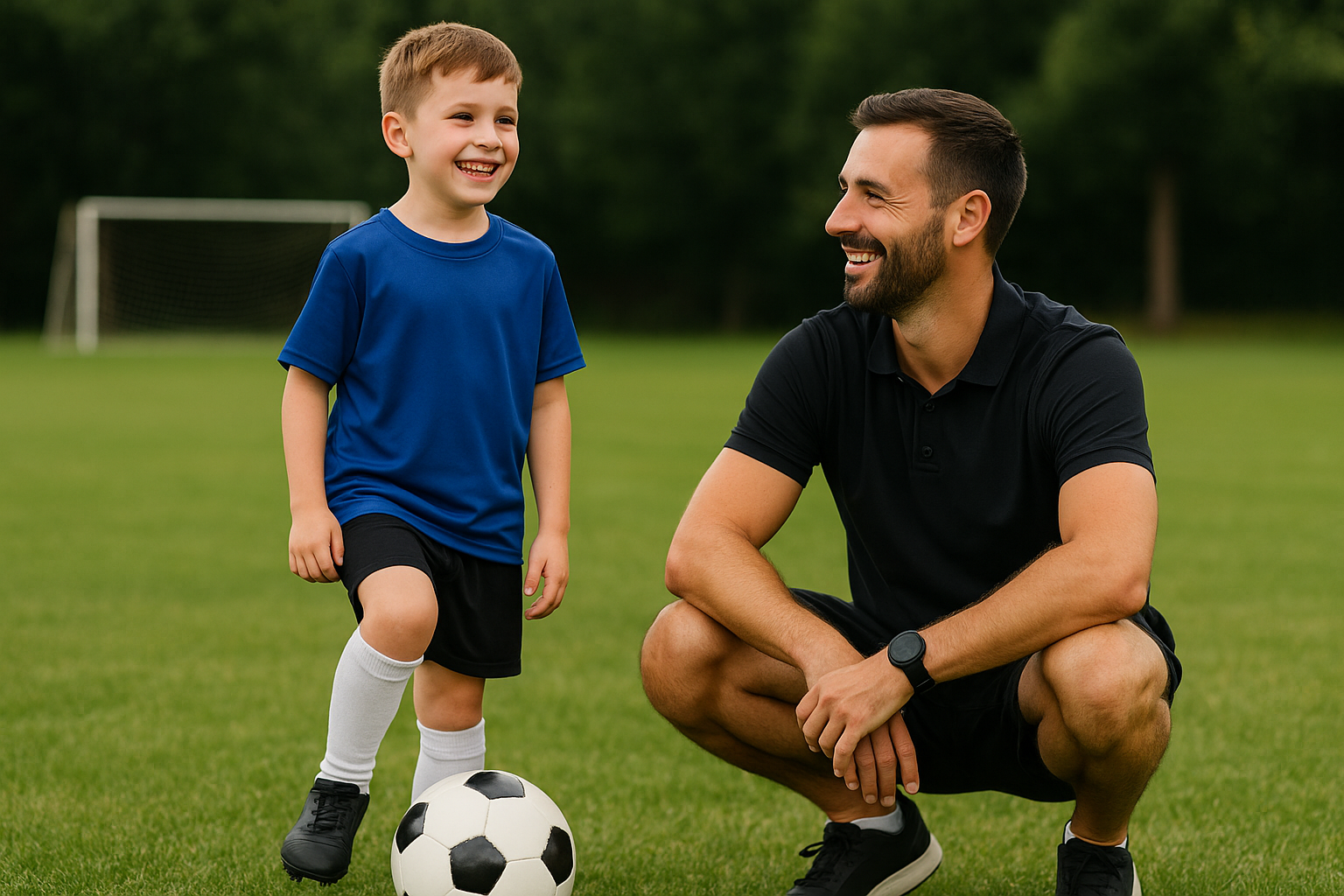
What Parents Can Do That Actually Helps
The most powerful support parents offer happens before and after the game.
Keeping routines calm.
Lowering expectations.
Avoiding performance-focused conversations.
During games, calm encouragement — or silence — allows children to reset internally.
After games, focusing on enjoyment rather than performance helps children recover emotionally.
A Final Thought
Freezing isn’t a sign that football isn’t for your child.
It’s a sign that they’re learning to manage complexity.
With patience and support, overwhelmed moments become manageable ones. And manageable moments slowly become confidence.
Children don’t need pressure to grow through this phase.
They need understanding.
Suggested Next Reads (for curious parents)
Understanding Game State — decision-making under pressure
How to Build Confidence in Football
What to Say (and Not Say) on the Sideline
Supporting Emotional Regulation in Youth Sport
Finished reading? Back to:
