
Why Kids Quit Football — And How Parents Can Help Them Stay Playing
I remember coaching a bubbly U9 girl who turned up every week with the brightest grin and the pinkest boots. She loved football. Absolutely loved it.
Then, slowly, something changed.
Saturday mornings became quieter. The excitement faded. One week she said, “Do I have to go?”
And that moment stayed with me — because I’d seen it before.
Most kids don’t quit football because they stop liking the game.
They quit because the environment around the game changes.
And as parents, whether we realise it or not, we play a huge role in shaping that environment.
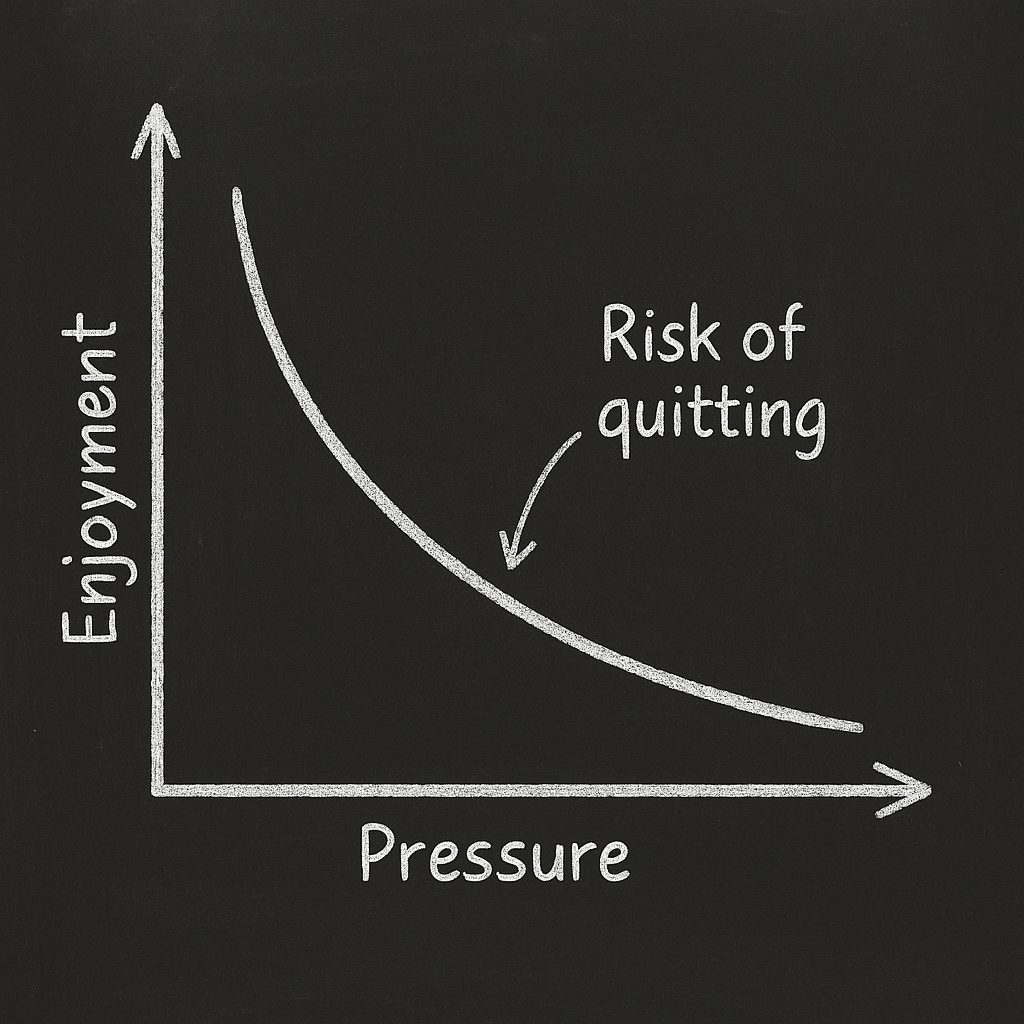
When Football Stops Feeling Fun
For children, football is supposed to be simple.
Run. Play. Laugh. Try things. Be with friends.
But over time, things can shift. The focus can quietly move from enjoyment to outcomes. From play to performance. From freedom to pressure.
When football stops feeling like a game and starts feeling like a test, kids disengage. Not dramatically. Just gradually.
When Kids Start Doubting Themselves
Children are far more aware than we often think.
They notice missed chances. They compare themselves to teammates. They feel it when they’re subbed. They read our body language from the sideline.
Once a child starts thinking, “I’m not very good at this,” confidence drops quickly. And when confidence goes, enjoyment usually follows.
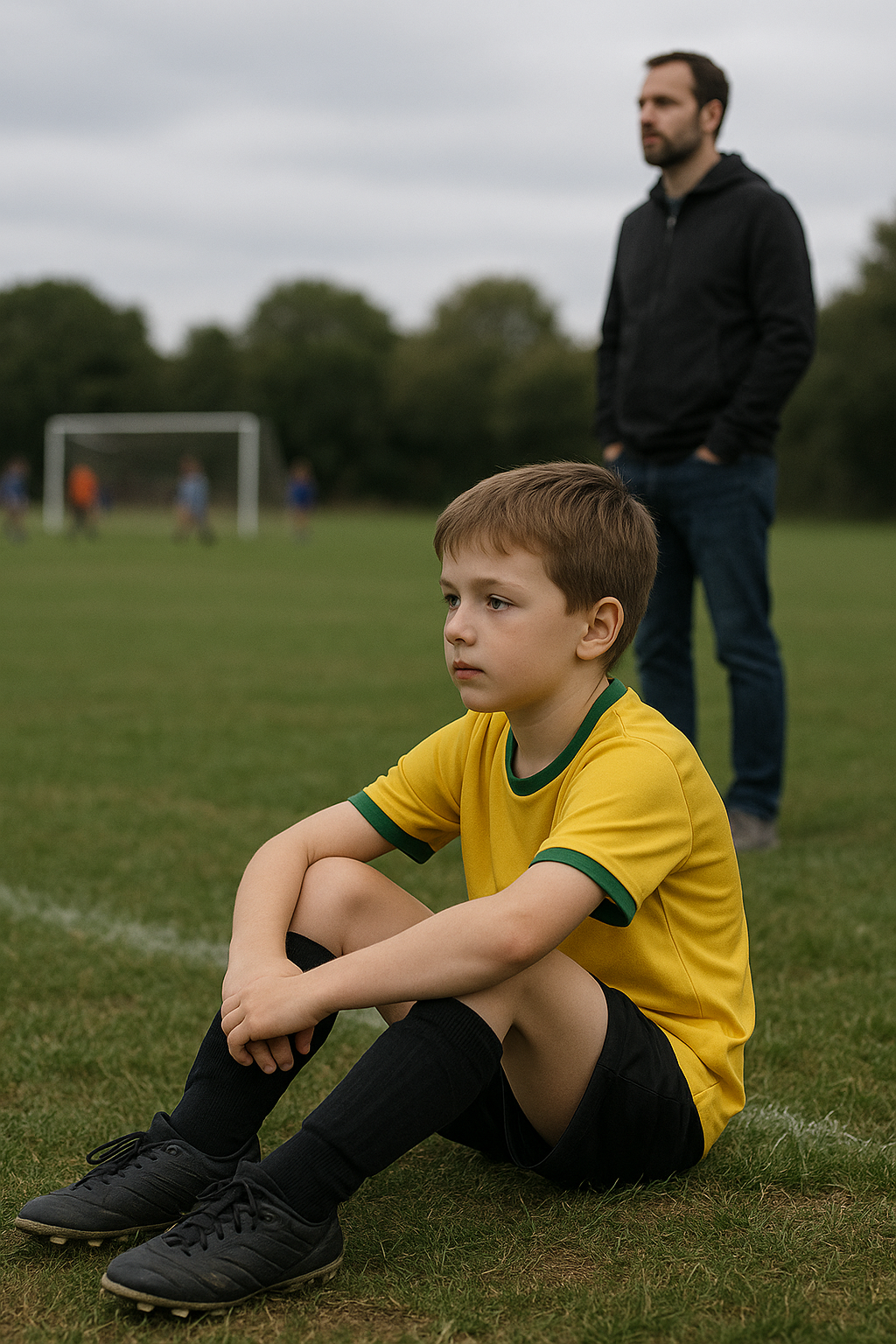
When Adult Pressure Creeps In
Almost all pressure in junior sport is unintentional.
It comes from excitement. From wanting to help. From caring deeply.
But sideline instructions, emotional reactions, and long post-game breakdowns can leave kids feeling like they’re constantly being evaluated. Instead of playing freely, they start worrying about getting things wrong — or letting someone down.
That’s a heavy load for an eight or nine-year-old to carry.
When Mistakes Feel Unsafe
Mistakes are part of learning football.
But only if the environment allows them.
If every mistake is followed by a reaction — a groan, a shout, a substitution — kids learn a simple lesson: don’t take risks.
And when kids stop taking risks, the game stops being fun.
When Connection Is Lost
More than anything, kids stay in football because of people.
Friends. Teammates. Coaches who care. Parents who support them emotionally.
If match days feel stressful or lonely, children don’t push through — they pull away.
How Parents Can Help Kids Stay Playing
The good news is that parents don’t need to do anything complicated.
In fact, doing less often helps more.
Keeping football light at home makes a huge difference. Calm car rides. No intense debriefs. Space to relax after games. These small moments tell kids that football is something they get to do, not something they have to perform in.
One of the most powerful shifts parents can make is focusing on effort rather than outcomes. Children can’t always control scores, goals, or results — but they can control attitude, courage, and persistence. When those things are noticed and praised, confidence grows naturally.
It also helps when roles are clear. Coaches coach. Parents provide emotional safety. When children hear one calm, supportive voice instead of multiple instructions, they feel grounded.
And perhaps most importantly, mistakes need to be normal. Saying something as simple as, “Everyone makes mistakes — that’s how you learn,” can completely change how a child experiences the game.
Finally, asking kids what they want matters more than we think.
“What did you enjoy today?”
“What felt tricky?”
“What would make it more fun next week?”
Those questions tell children their feelings matter.
A Simple Truth
Most kids don’t quit football because of football.
They quit because of pressure. Fear. Or feeling disconnected from the joy that brought them there in the first place.
When the environment feels safe, supportive, and playful, kids stay. They grow. And they fall in love with the game again and again.
That’s what grassroots football should be about.
Suggested Next Reads (for curious parents)
Understanding Game State — why kids rush decisions under pressure
Phases of Play Explained Simply — the four moments your child is learning
Player Development Roadmaps — what progress really looks like at U8–U12
The Coach–Parent Partnership — supporting without sideline coaching
Finished reading? Back to:
