
What to Say (and Not Say) on the Sideline
Supporting Your Child Without Adding Pressure
It’s Saturday morning.
The whistle blows.
Your child gets the ball — and without thinking, you lean forward.
You want to help.
You want to encourage them.
You want to say something useful.
That moment is where many well-meaning parents feel stuck. Because in junior football, the sideline can either calm a child — or overwhelm them.
And most parents don’t realise which one they’re doing.
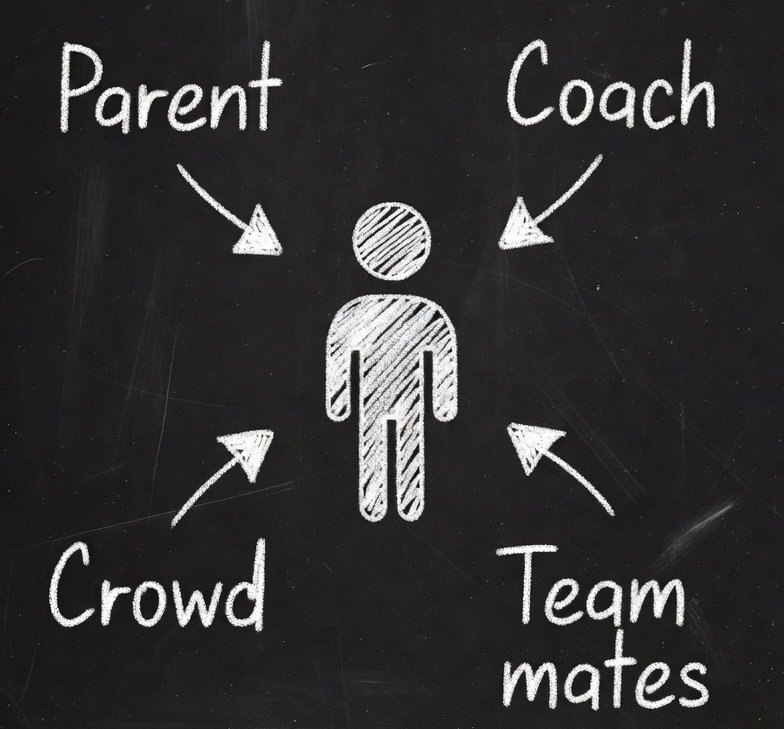
Why Sideline Words Matter More Than We Think
Children experience games very differently to adults.
We see the whole field. We anticipate what should happen next. We notice space, options, and patterns.
Children, on the other hand, are:
trying to control the ball
scanning for teammates
remembering what the coach asked them to work on
managing nerves
When instructions come from the sideline, their brains often overload. The result isn’t better decision-making — it’s hesitation.
Sometimes, the most helpful thing a parent can offer is calm presence rather than guidance.
When Encouragement Helps
Simple, genuine encouragement gives children permission to keep playing.
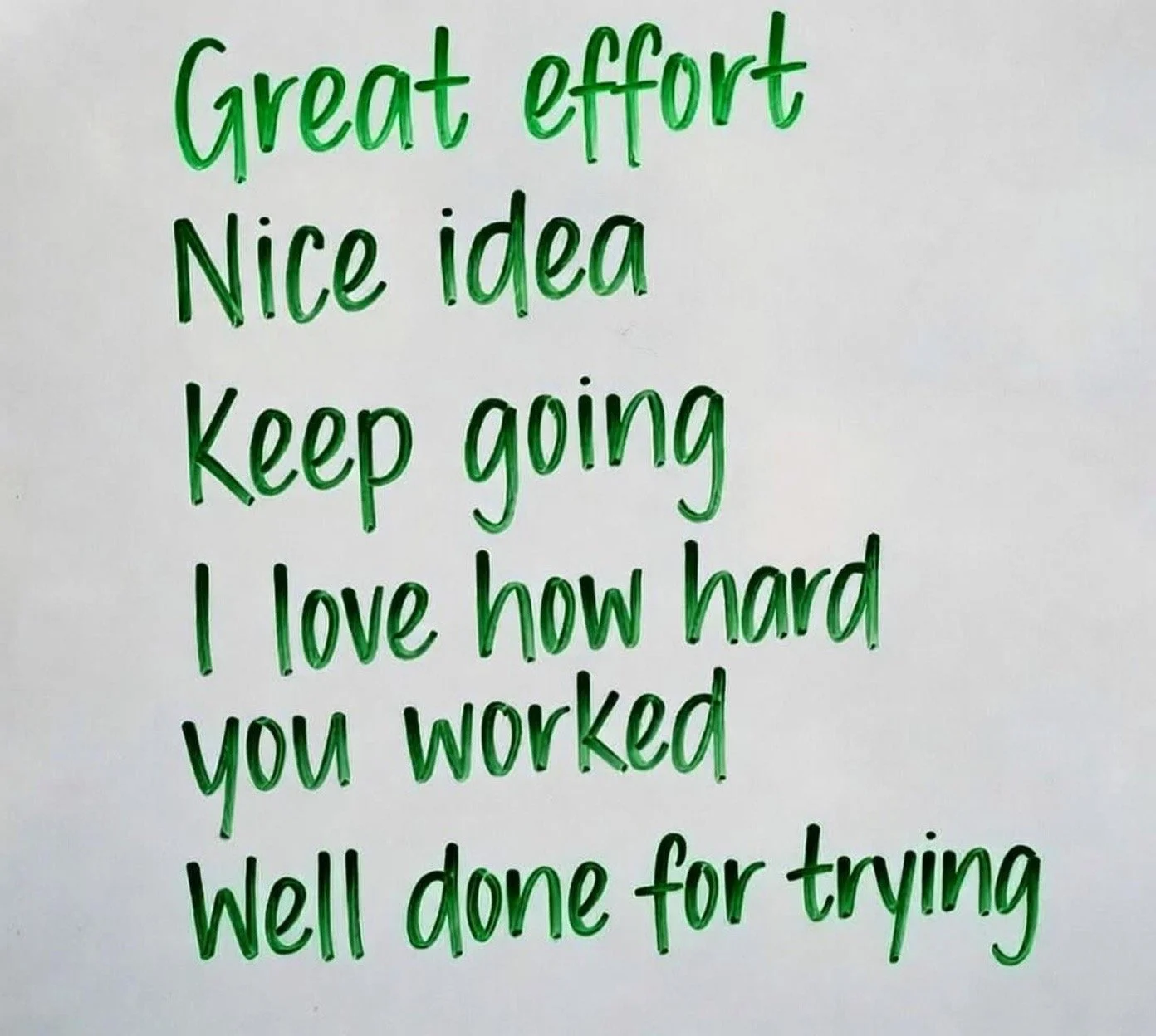
Comments like “great effort,” or “nice idea,” tell a child they’re safe to try things. They lower anxiety. They keep kids in the moment.
Encouragement doesn’t interrupt thinking — it supports it.
You’ll often notice that children play more freely when they feel supported rather than directed.
When Instructions Get in the Way
Most sideline instructions come from care, not criticism.
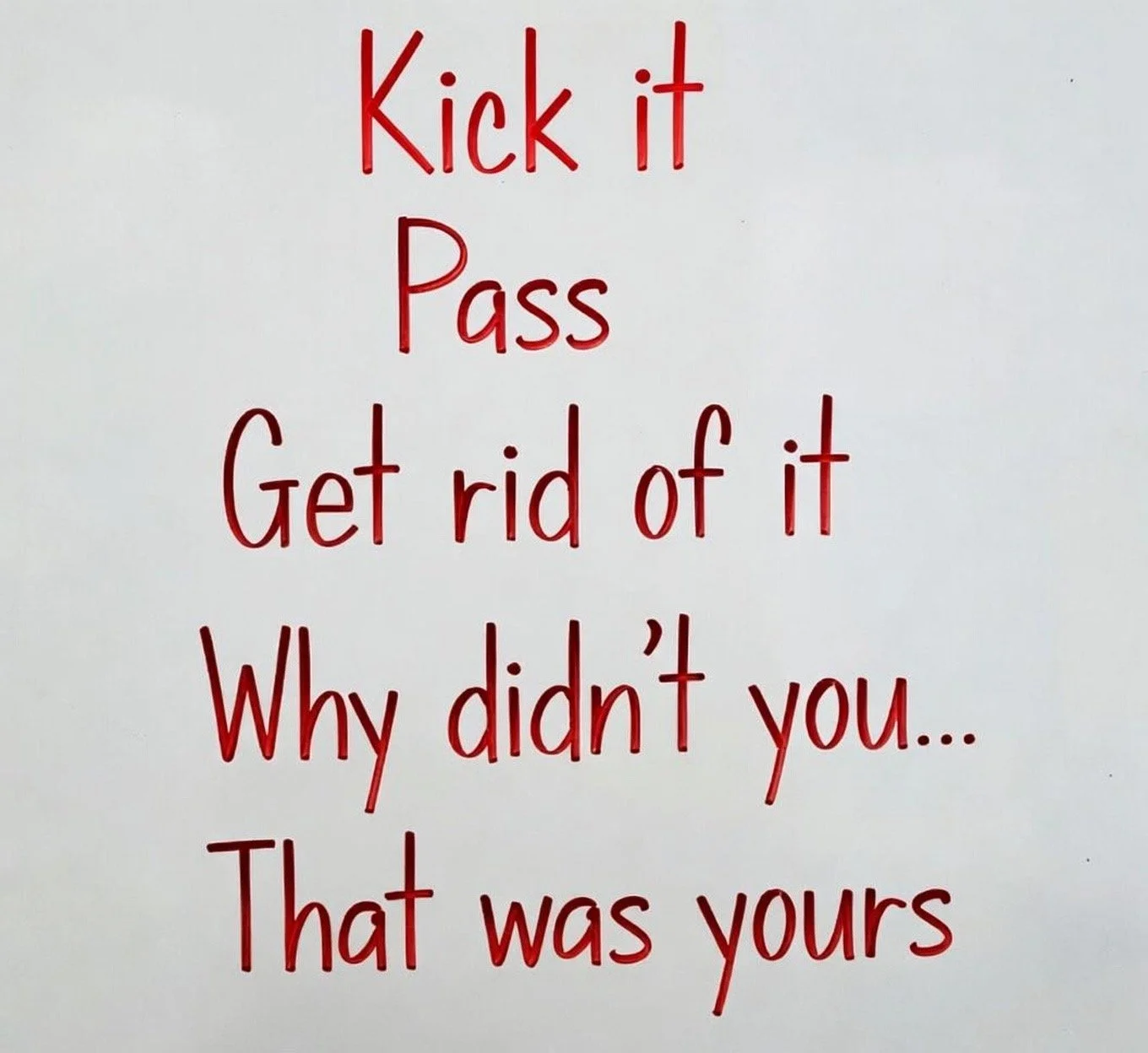
But phrases shouted in the heat of the moment — “kick it,” “pass,” “get rid of it” — usually add urgency rather than clarity.
For a child, those words can create confusion. They’re suddenly trying to reconcile what they see, what the coach has asked for, and what a familiar voice from the sideline is telling them to do.
That mental tug-of-war slows reactions and increases mistakes. Ironically, the opposite of what parents are hoping for.
The Parent–Coach Balance
One of the healthiest things a child can experience in sport is clear roles.
Coaches focus on football learning.
Parents focus on emotional support.
When those roles stay separate, children feel grounded. They know who to listen to for instructions, and who is there to support them no matter what happens.
When roles blur, children often feel caught in the middle — trying to please everyone instead of enjoying the game.
What Children Remember After the Game
Ask kids what they remember most after a match and rarely will they mention tactics or the score.
They remember how they felt.
They remember whether mistakes felt safe.
They remember whether adults stayed calm.
They remember whether football felt fun or stressful.
Your voice from the sideline becomes part of that memory — even if you don’t realise it at the time.
A Simple Sideline Rule That Helps
If you’re ever unsure what to say, try this simple check:
Would this help my child while they’re sitting an exam at school?
Encouragement would.
Instructions probably wouldn’t.
The same applies in football.
A Final Thought
Children don’t need another coach on the sideline.
They need someone who makes them feel safe to try, fail, and keep playing.
When parents stay calm and positive, children play with more freedom. They learn faster. And they enjoy football for longer.
And that’s far more important than any single decision made during a game.
Suggested Next Reads (for curious parents)
Understanding Game State — why kids rush decisions under pressure
Why Mistakes Matter — learning, confidence, and development
The Coach–Parent Partnership — supporting without coaching
Building Player Confidence — what progress really looks like
Finished reading? Back to:
