

Why Do They Do That?
Understanding Behaviour and The Game

Touchline Talk - all articles
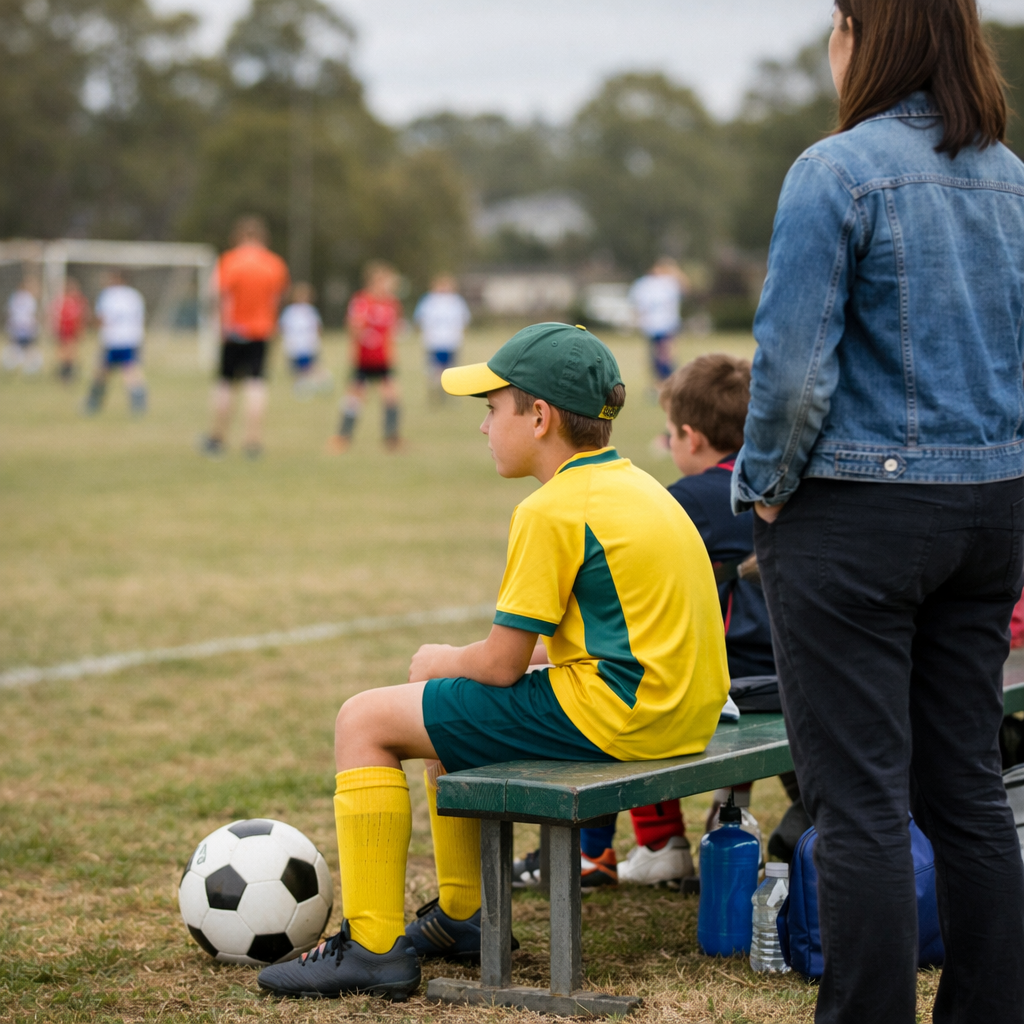


Playing time is one of the hardest things for parents to feel settled about. This article explores why fairness can feel uncomfortable on the sideline — even when minutes are shared — and how understanding perception, timing, and emotion can bring a calmer long-term view.
Freezing in games isn’t a lack of confidence — it’s cognitive overload. Here’s how parents can help children cope and grow.
Reading the game helps explain why children play safe in some moments and take risks in others — and why that’s a good thing.
What looks like selfish play is usually a normal learning stage. Here’s why kids make these choices — and how parents can help.